

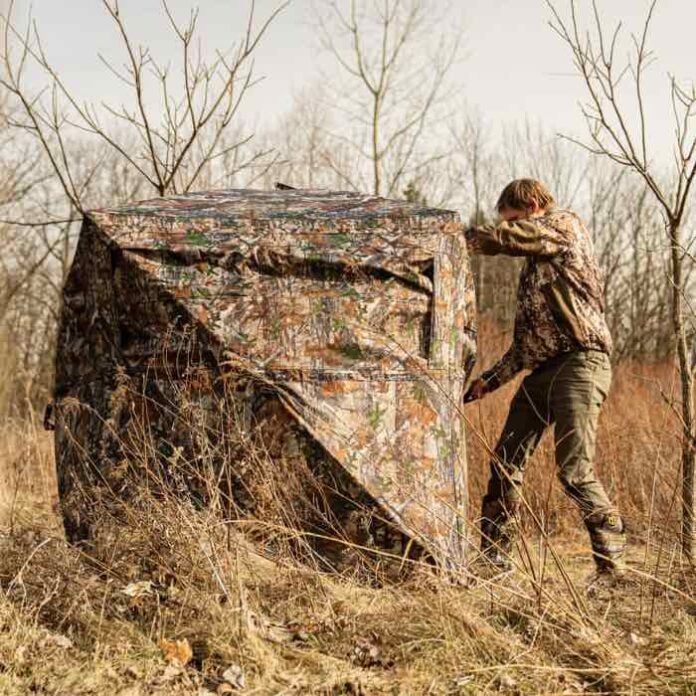
Preparing for a new hunting season is about more than scouting locations and tracking migration patterns. For many hunters, it’s also a time to reassess the gear that shapes their experience in the field. Few pieces of equipment influence comfort, concealment, and situational awareness as much as the hunting blind. As hunting environments become more pressured and animals more alert, blind design has steadily evolved to meet higher expectations.
One of the most noticeable developments in recent years is the rise of see-through hunting blind technology. Rather than forcing hunters to choose between concealment and visibility, modern blinds are designed to deliver both. For those looking to upgrade their setup for the coming season, understanding how and why these designs matter can make a meaningful difference.
Why Hunters Rethink Their Blinds Each Season
Unlike many other outdoor activities, hunting places long periods of stillness alongside moments that demand instant reaction. A blind that worked well years ago may not meet today’s demands, especially in areas where the game has grown accustomed to traditional concealment methods.
Seasonal changes also play a role. Early-season hunts often require ventilation and visibility in warmer conditions, while late-season outings demand protection from wind, cold, and precipitation. Hunters who revisit the same blind year after year may eventually notice limitations in comfort, sightlines, or adaptability.
Upgrading a blind is often less about replacing old gear and more about aligning equipment with how hunting is actually practiced today—more mobile, more observant, and more aware of animal behavior.
The Visibility Challenge in Traditional Hunting Blinds
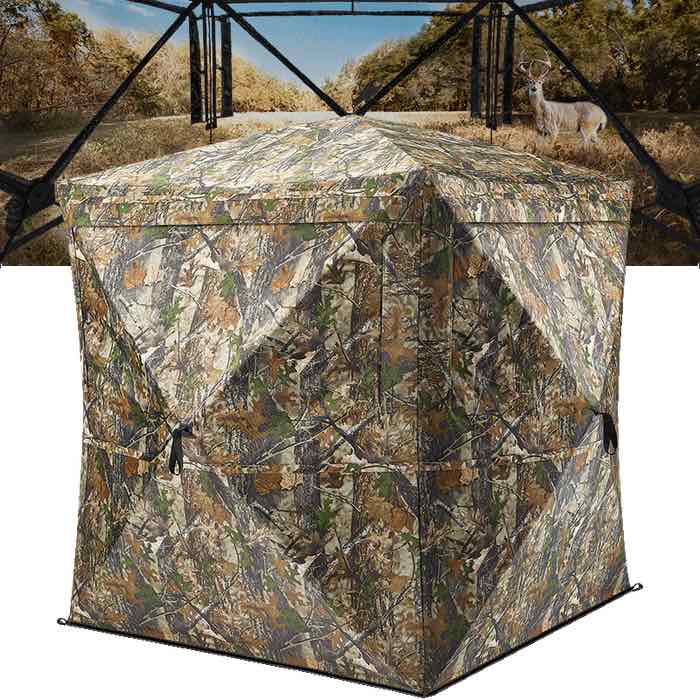
Traditional hunting blinds were built with a simple goal: hide the hunter. While concealment remains essential, early designs often relied on small shooting windows and opaque fabric panels—this limited visibility to a narrow field directly in front of the hunter.
The downside of this approach becomes clear in active environments. Animals rarely approach from a single, predictable direction. When hunters must repeatedly shift their position to check blind spots, movement increases, noise becomes more likely, and opportunities can be lost.
Visibility limitations also contribute to fatigue. Constantly adjusting posture to monitor surroundings can be physically draining during long sits, especially in cold or damp conditions.
How See-Through Blind Technology Changes the Experience
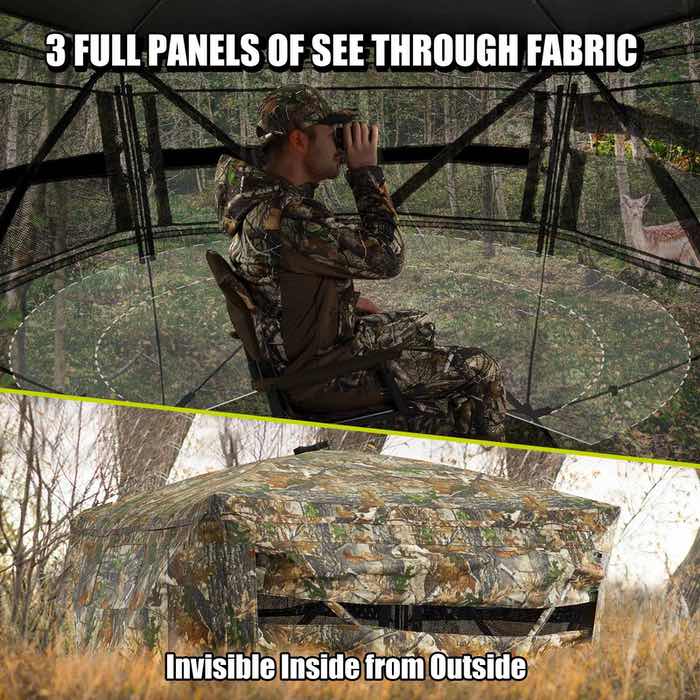
A modern see through hunting blind addresses these challenges by allowing hunters to observe their surroundings without being seen. Using mesh or advanced fabric technology, these blinds provide near-panoramic awareness while maintaining effective concealment.
This design approach offers several practical advantages:
- Hunters can monitor animal movement without opening or adjusting windows
- Reduced body movement lowers the risk of detection
- Awareness improves reaction time when game enters range
- Long hunts become more comfortable and less tiring
By removing the need for constant repositioning, see-through designs help hunters stay focused and still—two qualities that often determine success.
Understanding Animal Behavior and Visual Perception
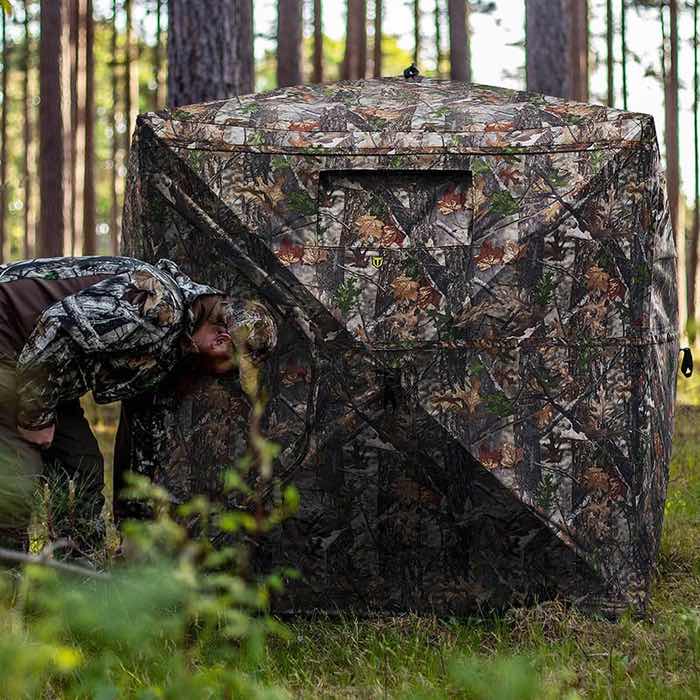
Animals rely heavily on detecting motion rather than detail. According to wildlife behavior research shared by organizations like the U.S. Fish & Wildlife Service, sudden movement and unnatural silhouettes are more likely to alert game than static shapes or textures. When hunters move abruptly inside a blind to check visibility, animals can quickly sense something is wrong.
See-through blinds minimize this risk by allowing hunters to track movement subtly. Instead of turning their head or shifting their body to see through small openings, hunters can maintain a natural posture while remaining aware of their environment.
This approach is especially effective in high-pressure hunting areas where animals have encountered blinds frequently and have learned to associate movement with danger.
Mobility and Setup: Key Factors for the Modern Hunter
Visibility alone isn’t enough. Today’s hunters are increasingly mobile, often traveling to different locations, hunting public land, or adapting to changing access rules. A blind that is difficult to transport or slow to set up can limit flexibility.
Modern hunting blinds emphasize fast deployment and easy breakdown. Pop-up frames, lightweight materials, and compact carry systems allow hunters to move efficiently between locations. This is particularly valuable when scouting new areas or adjusting setups based on wind direction and animal movement.
Mobility also supports ethical hunting practices by reducing unnecessary habitat disturbance. When hunters can relocate easily, they’re less likely to overuse a single area or force opportunities in unproductive spots.
Comfort During Long Hunts
Comfort is often underestimated until it’s missing. Extended sits in cold, wet, or windy conditions can quickly test patience and focus. A well-designed blind supports endurance by reducing physical strain and exposure.
Features that contribute to comfort include:
- Adequate interior space for gear and movement
- Ventilation that prevents condensation buildup
- Quiet materials that don’t rustle when adjusting position
- Protection from wind and light precipitation
Comfort directly affects performance. Hunters who are warm, dry, and relaxed are better able to observe patterns and respond calmly when opportunities arise.
Seasonal Versatility and Terrain Adaptability
A blind that performs well across seasons adds long-term value. Early-season hunts benefit from airflow and visibility, while late-season outings require insulation and weather resistance. See-through designs paired with durable outer materials offer a balance that works in multiple conditions.
Terrain also matters. Open fields, wooded edges, and transitional zones each present unique visibility and concealment challenges. Blinds with wide viewing angles and adaptable placement options perform consistently across these environments, reducing the need for multiple specialized setups.
Industry Trends Toward User-Focused Design
Across the hunting gear industry, manufacturers have increasingly turned to field feedback to guide product development. Rather than relying solely on tradition, modern designs reflect how hunters actually move, wait, and observe in real conditions.
Organizations like Ducks Unlimited frequently emphasize the importance of ethical, efficient hunting practices that minimize disturbance and respect wildlife behavior. Equipment that supports stillness, awareness, and adaptability aligns naturally with these principles.
This shift toward user-focused design has led to blinds that prioritize visibility, simplicity, and durability over unnecessary complexity.
Integrating Hunting Gear Into Broader Outdoor Lifestyles
For many enthusiasts, hunting is part of a broader outdoor lifestyle that includes travel, conservation awareness, and exploration. Publications such as OffMetro often highlight experiences that connect gear choices to real-world adventures and environmental appreciation.
When selecting equipment, hunters increasingly look for tools that enhance experiences rather than dominate them. A blind that sets up quickly, blends naturally into its surroundings, and supports quiet observation allows hunters to focus on the moment rather than the mechanics.
You can explore more outdoor and travel-related perspectives directly on the OffMetro homepage, where gear, destinations, and experiences intersect.
Long-Term Value of Upgrading Your Blind
Upgrading a hunting blind isn’t just about the next outing—it’s an investment in future seasons. Improved visibility, comfort, and adaptability can lead to more consistent experiences and fewer frustrations over time.
Hunters who rely on outdated or limiting designs may find themselves compensating with unnecessary movement or discomfort. In contrast, modern see-through blinds support patience and observation, two skills that improve with every season spent in the field.
Final Thoughts
As hunting continues to evolve, so does the equipment that supports it. The shift toward see-through hunting blind technology reflects a deeper understanding of animal behavior, environmental awareness, and the realities of modern hunting practices.
For hunters preparing for the next season, upgrading a blind can significantly enhance visibility, comfort, and adaptability. Rather than simply hiding the hunter, today’s designs support awareness and stillness—qualities that define effective and responsible hunting.
By choosing gear that aligns with how hunting is experienced today, outdoors enthusiasts can enter the next season better prepared, more comfortable, and more connected to the environments they value most.