
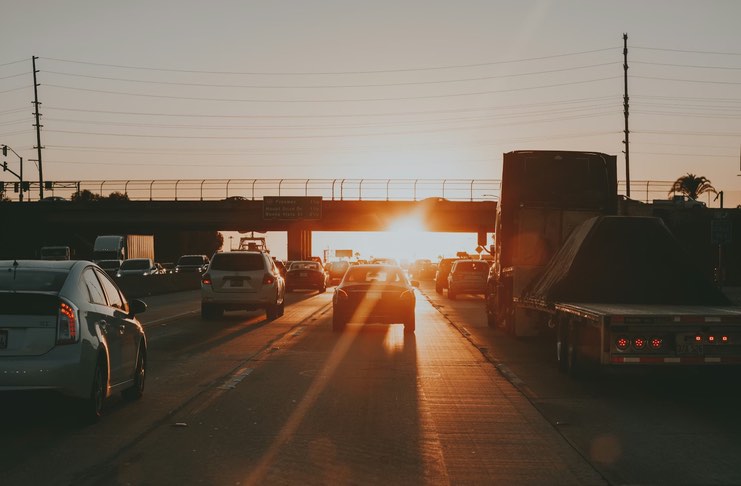
A road trip from Jacksonville to Big Sur requires thoughtful route planning, awareness of California-specific driving laws, and flexibility for coastal road conditions. The safest and most enjoyable approach prioritizes buffer days, offline navigation, and a slower pace once reaching Highway 1, where weather, fog, and closures are common. In this post, as part of our California travel tips, we’ll explore some useful tips for a road trip from Jacksonville to Big Sur.
This is not a drive you rush — it’s one you prepare for.
The first time I planned a Jacksonville-to-Big Sur road trip, I made the same mistake many travelers do: I trusted the map too much. A clean blue line suggested certainty. Reality delivered deserts, elevation changes, fatigue, and some of the most humbling driving conditions I’ve ever encountered.
That’s the old way of road-tripping — focusing on distance instead of demands. The new way treats a cross-country drive as a series of environments, each with its own rules, risks, and rewards. When you approach the trip this way, Big Sur stops being the finish line and becomes the highlight it deserves to be.
Safety Tips for Road Trips in the Area
California driving rules differ sharply from Florida’s, and those differences matter most when you’re tired near the end of a long journey.
Speed limits change frequently, especially once you approach coastal and two-lane highways. Hands-free phone use is strictly enforced, slower vehicles are expected to keep right, and seat belt laws apply to every passenger. On Highway 1, confidence is less valuable than caution — locals expect you to slow down, not show off.
If something does go wrong earlier in the trip, particularly back in Northeast Florida, understanding your options matters. An experienced Personal injury Attorney in Jacksonville can turn uncertainty into clarity. By assessing the circumstances, gathering evidence, and handling negotiations with insurers, such an attorney steps in to fight for fair compensation. Their guidance helps ensure victims and families don’t have to face recovery or financial hardship on their own, offering support during a challenging time in Jacksonville’s dynamic urban setting. Knowing what they do and how they can help can make the choice easier for a person.
My Experience:
While covering long-distance road travel for offMetro, I’ve interviewed drivers who underestimated California’s enforcement and overestimated their own stamina. The ones who stayed safe weren’t fearless — they were informed.
Planning Your Route — Jacksonville to the Pacific
Answer first: The smartest route balances weather, fatigue, and flexibility.
Most travelers start west on I-10, then branch north or west depending on season and energy. Southern routes reduce winter risks; central routes save time but demand better conditions. What matters most is building slack into your schedule.
Watch this video to get a glimpse:
Practical tips:
- Avoid planning more than 7–8 driving hours per day
- Schedule a rest day before reaching California
- Treat Big Sur as a destination, not a drive-through
My Experience:
The most satisfied travelers I’ve spoken with all had one thing in common: a buffer day they didn’t plan to use — and inevitably did.
What to Know About California Driving
Answer first: California driving is fast, regulated, and unforgiving of hesitation.
Fuel costs are higher, pumps often require prepayment, and left-lane discipline is strictly observed. Speed traps are common near transitions from freeway to coastal roads.
New approach: Shift from “covering miles” to “managing attention.”
My Experience:
During one reporting trip, I watched an exhausted driver nearly miss a tight coastal curve because they were focused on their ETA. California roads reward presence, not urgency.
Navigating Highway 1 and Big Sur
Road Conditions, Closures, and Detours
Highway 1 closures due to landslides are common and unpredictable. Detours via Highway 101 are normal and should be expected.
Key advice: Always check official road conditions the morning you drive.
My Experience:
I’ve covered Big Sur during both open and closed periods. Travelers who accepted detours as part of the experience enjoyed the coast more than those who fought the map.
Fog, Curves, and Fatigue
Answer first: Slow driving is not optional — it’s survival.
Fog can roll in within minutes. Guardrails are limited. Night driving removes the very views people come for.
Best practice: Drive Big Sur in daylight, rested, and unhurried.
My Experience:
One photographer I interviewed missed his planned sunset entirely due to fog — and later said the quiet drive became the highlight of his trip.
Watch this video for more tips:
Packing, Prep, and Pre-Trip Checklist
Answer first: Pack for isolation, not convenience.
Essentials:
- Offline maps
- Extra water and snacks
- Basic first-aid kit
- Portable battery packs
- Tire pressure gauge
My Experience:
The travelers who struggled most assumed cell service would return quickly. It doesn’t.
Best Stops Near Big Sur
Answer first: Fewer stops create better memories.
Focus on:
- Bixby Bridge viewpoints
- Pfeiffer Beach
- Garrapata Bluff pull-offs
Use Monterey or Carmel-by-the-Sea as bases if Big Sur lodging is full.
My Experience:
After interviewing dozens of visitors, I’ve learned people remember moments — coffee in the car, fog lifting — not packed itineraries.
Cost Expectations
Big Sur is expensive, but predictable. Budgeting conservatively protects flexibility — the most valuable currency on this drive.
My Experience:
Travelers who planned for higher costs enjoyed the trip more. Those chasing bargains lost time and options.
Frequently Asked Questions
Is Highway 1 always open?
No. Landslides frequently cause partial or full closures.
Is winter a bad time to drive Big Sur?
Not if you’re flexible and cautious, but closures are more common.
Do I need special permits to drive in California?
No, a valid U.S. license is sufficient.
Can I do Big Sur in one day?
You can, but you shouldn’t. One overnight change changes everything.
Final Takeaway
A Jacksonville-to–Big Sur road trip rewards patience, preparation, and humility. Respect the road, expect change, and give yourself time to arrive — not just reach the destination.
Leave a Reply