
Let’s be real — the moment you start planning a road trip in your RV or mapping out a weekend on the water, your brain goes straight to the good stuff: sunsets, snacks, Spotify playlists, and zero cell service. What you’re not thinking about? Whether your rig is actually ready for the journey.
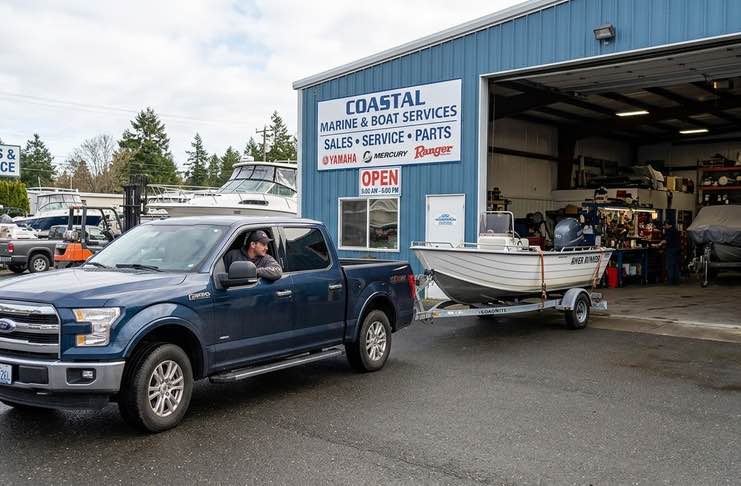
But here’s the thing nobody tells you until you’re stranded on a highway outside of nowhere: finding a solid repair and maintenance shop before you need one is lowkey one of the most important trip-planning moves you can make. Whether you’re a weekend warrior or a full-time van-lifer, the right shop is the difference between a smooth adventure and a very expensive lesson in humility.
Between routine inspections and unexpected repairs, not a single detail should be overlooked when it comes to safety and reliability. Being proactive means fewer disruptions and a whole lot more confidence when you finally hit the road — or the water.
So let’s talk about what to actually look for. No fluff, just the real checklist.
Quality of Service — Because “Good Enough” Isn’t Good Enough
First things first: how does the shop actually work? A great team is thorough, communicative, and detail-obsessed. They don’t just slap a band-aid on the problem and send you off — they dig in, explain what’s going on, and give you real, lasting solutions instead of quick fixes that fall apart three miles down the road.
If you’re one of our followers living in Austin (and we have plenty!), a legit provider of boat and RV services in Austin will walk you through every inspection, keep you in the loop, and treat your rig like it’s their own. That kind of vibe? It builds trust fast — and keeps you coming back before every big trip.
Technician Credentials — Who’s Actually Working on Your Stuff?
You wouldn’t let just anyone touch your ride, so don’t skip this part. The strength of any service center comes down to its people, and experienced professionals bring a level of skill and accuracy that directly impacts both performance and safety. Here’s what a strong team looks like:
- Trained techs who’ve handled complex repairs and actually know what they’re doing — no learning on your dime. Read more about this on Forbes.com.
- Certified staff following up-to-date repair standards (fewer mistakes, better results, industry-approved practices)
- Problem-spotters who catch small issues before they turn into big, wallet-draining disasters down the line
- Ongoing training so they’re not still using 2009 techniques on your 2024 systems — new tech demands new knowledge
- Precision-focused mechanics who care about every bolt, seal, and sensor, keeping all mechanical parts functioning exactly as they should
Equipment Matters More Than You Think
A shop that invests in modern diagnostic tools is a shop that takes quality seriously. Outdated equipment means slower diagnosis, missed problems, and more time sitting around a waiting room drinking bad coffee. Modern gear means faster turnaround, better accuracy, and technicians who can actually find the issue instead of guessing.
Here’s the thing: even the most skilled tech in the world struggles to deliver great results with tools that belong in a museum. Choosing a well-equipped shop means every inspection and repair is held to a higher standard — and it signals that the business genuinely cares about getting things right, not just getting things done.
Reviews: Don’t Skip Your Homework
We check reviews before we try a new brunch spot — your repair shop deserves the same energy. According to ResearchGate, former customers are your most honest source of intel on how a shop actually performs in real life, beyond whatever the website says. Here’s how to read them like a pro:
- Consistent 5-star patterns over time = reliable track record, not just a lucky streak
- Mentions of professionalism and punctuality = green flag — they respect your time and show up prepared
- Repeated complaints about the same issues = red flag, move on before you become the next cautionary tale
- Balanced, nuanced reviews = honest and trustworthy, giving you a real picture of the pros and cons
- Verified testimonials = the real ones that cut through the noise and actually help you make a confident decision
Communication & Transparency — No Surprises, Please
Nothing kills the post-trip high faster than a surprise charge you didn’t see coming — or worse, finding out after the fact that the repair wasn’t actually necessary. A trustworthy shop tells you exactly what’s being done, why it’s necessary, and what it’ll cost — upfront, before any work begins. Clear communication isn’t a bonus feature; it’s a baseline expectation.
Transparency also shows up in the little things: are they easy to reach? Do they explain things in plain English or drown you in jargon? Do they follow up? These details matter. Shops that communicate openly tend to deliver more reliable results and build the kind of long-term relationships where you’re not starting from scratch every season.
If a shop goes quiet or gets vague when you ask questions, that’s your cue to keep shopping.
Pricing: Fair, Clear, No Hidden Fees
Here’s what transparent pricing actually looks like in practice — and what you should expect from any shop worth your business:
- Detailed estimates that break down every cost before work begins, so there’s zero confusion at checkout
- Fair labor and parts pricing that reflects the actual work — no mystery markups or inflated line items
- Competitive rates that prove you don’t have to choose between affordability and quality service
- Itemized billing so you know exactly what you paid for and can track every dollar spent
- Flexible payment options, because adventures are expensive enough without a payment process that adds friction
Turnaround Time — Respect Your Schedule
When you’ve got a trip on the calendar, you need your boat or RV back on time. Delays don’t just cost money — they throw off the whole plan, and nobody wants to spend a would-be lake weekend refreshing their inbox waiting for an update. A well-run shop respects that.
Fast, attentive work combined with smart scheduling equals less waiting and more adventuring. Efficient workflow management and organized scheduling are telltale signs of a shop that has its act together — and those attributes directly translate to consistent service and shorter wait times for you.
Ongoing Maintenance: The Secret to Long-Term Adventure Mode
The best shops aren’t just there when something breaks — they help you stay ahead of problems. Routine checkups, proactive servicing, and regular maintenance sessions keep your rig in top shape and significantly extend its lifespan. Think of it less as repair and more as relationship management between you, your vehicle, and the open road.
And it’s not just about longevity — consistent maintenance also boosts safety and performance on every single outing. The last thing you want is to discover a problem at mile 300 that a routine check three weeks ago would have caught.
The best shops take this further with reminders, follow-up checks, and year-round support that shows they’re invested in more than just a one-time transaction. That kind of ongoing care keeps everything in peak condition through every season — not just the one you happen to be in when something goes wrong.
The Bottom Line
Choosing the right shop isn’t just a practical decision — it’s peace of mind for every trip you take. When you find a provider that checks all these boxes — skilled techs, modern tools, honest pricing, clear communication, and solid reviews — you’re not just maintaining a vehicle. You’re protecting every adventure that comes next.
Do the research now, lock in a shop you trust, and future-you can just… go.








 Sarah Knapp is a Brooklyn based entrepreneur whose love for the outdoors and community building led her to the October 2013 creation of OutdoorFest. She has a BA in History, is a Wilderness First Responder and a NY state hiking, camp and boating guide. Her proudest achievement to date is reading the Aeneid in Latin.
  Allison was one of our first top writers and Chief Editor but is no longer working with offMetro. Allison is a native New Yorker, who has lived in Rome, Tuscany, Melbourne, Toronto and Los Angeles. She frequently contributed travel pieces to Family Travel Forum, using her own children as guinea pigs as they travel the globe. She never missed a chance to sample local delicacies, as her love for travel goes hand-in-hand with her love for food and wine.
  Josh Laskin is a freelance travel writer and photographer based in the White Mountains of New Hampshire. When he is not at work or on the road, you can find him in the mountains snowboarding, climbing, hiking, fly fishing, mountain biking, and eating bagel bites.
 Annie is a travel writer, environmentalist, and surfer based in Venice, CA. She heads up our West Coast team, keeps our grammatical errors in check, and makes sure our California writers always have a plan for their next
  Carly Pifer is a freelance writer who has been known to follow whims inspired by romantic movie scenes or colorful street style shots to India, Japan, Tunisia and Argentina. After stints living in Seoul, Boston, Paris and Los Angeles, writing and searching for something intangible, she landed somewhat steadily in Brooklyn and has begun to find inspiration in her more immediate surroundings.
  Kate E. O’Hara is a New York based freelance writer and photographer who loves all things food—especially the people who make it and market it. Her writing aims to capture the essence of the food experience; the stories that go well beyond a plate of ingredients. In addition to her love of food, Kate is also known to have a hankering for red wine and craft beer. You can also find Kate on Instagram