
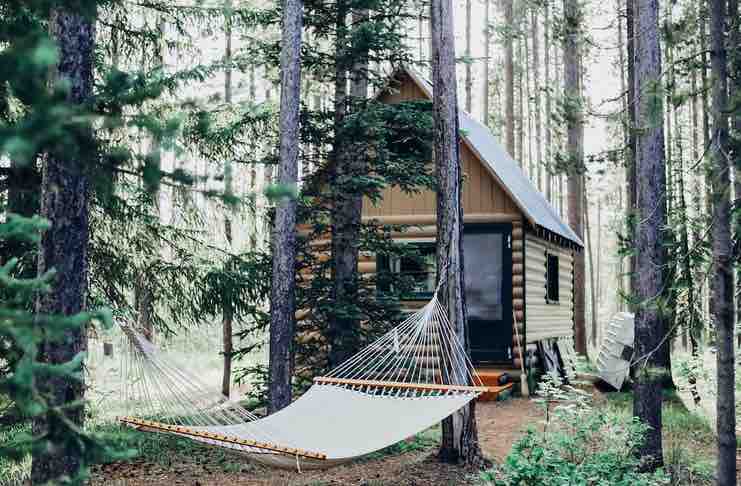
Purchasing your first vacation home is one of the most exciting financial milestones a travel-minded person can reach. It’s the moment a favorite destination stops being somewhere you visit and starts being somewhere you belong. But in a market where desirable retreats, think lakeside cottages, mountain cabins, and coastal bungalows, carry premium price tags, the buying process quickly becomes a lesson in knowing which trade-offs to accept and which ones will quietly ruin every trip you take there.
For OffMetro readers, the stakes are especially layered. You’re not just buying a property; you’re buying access to a lifestyle built around slower travel, walkable communities, and getting somewhere meaningful without a car. That makes certain compromises more tolerable, and others completely unacceptable.
The Compromises Worth Embracing
1. Cosmetic Flaws and Dated Interiors
A vacation home doesn’t need to look magazine-ready on day one. In fact, some of the best-valued retreats on the market are the ones that still have wood-paneled walls from the 1970s, mismatched furniture, and linoleum floors that haven’t been touched since the previous owners stopped caring. These superficial deficiencies drive away buyers who want something turnkey, which means they can work directly in your favor.
Stripping tired wallpaper, painting over outdated colors, and swapping out light fixtures are all weekend-level projects that steadily build equity without requiring a contractor. When you’re not spending big on cosmetics at the listing price, that money stays available for the things that actually shape your experience, a good kayak, a quality e-bike, or a season pass to a local trail system.
2. Smaller Footprint, Simpler Upkeep
The fantasy of a sprawling vacation compound with multiple guest suites and a wraparound deck is easy to get swept up in, but for most buyers, it’s also the fastest route to buyer’s remorse. Larger vacation homes demand more in property taxes, more in utility costs, and exponentially more in ongoing maintenance, especially when you’re managing them remotely or visiting only a handful of times per year.
A compact, well-laid-out cabin or cottage is often significantly more enjoyable in practice. It’s easier to heat in winter, easier to cool in summer, and far less stressful to keep clean between visits. As Kiplinger notes in its vacation home buyer’s guide, thinking carefully about ongoing costs, not just the purchase price, is one of the most important steps a second-home buyer can take. For OffMetro readers who prize simplicity and low-impact living, a smaller footprint isn’t a consolation prize, it’s a genuine lifestyle upgrade.
3. No Premium Finishes or Luxury Appliances
Just as with a primary residence, a vacation home that has been fully renovated with quartz countertops and high-end fixtures will cost you a significant premium at purchase. You’re essentially paying retail for someone else’s renovation choices.
Accepting functional but basic finishes lets you enter the market at a lower price point and update selectively over time, on your own terms. Many vacation homeowners find that stripping back to simpler materials actually suits the retreat aesthetic better anyway, a rustic farmhouse sink or a modest wood-burning stove often fits the setting more authentically than anything from a luxury showroom.
The Real Estate Decision Hierarchy for Vacation Buyers
Flexible: Accept These Trade-Offs
- Outdated interiors, dated décor, cosmetic wear
- Smaller square footage or modest outdoor space
- Basic appliances and builder-grade finishes
- No garage or covered parking (especially low priority for car-free travelers)
Non-Negotiable: Avoid These at All Costs
- Poor transit access or car-dependent location
- Serious structural or foundation issues
- An access journey that becomes a genuine ordeal
The Compromises You Should Never Make
1. A Location You Can’t Access Car-Free (or That Isolates You Completely)
For OffMetro readers, this is arguably the most critical factor on the entire list. A vacation home that requires a car to reach and a car to do anything from is not just inconvenient; it fundamentally undermines the kind of travel experience you’re investing in.
When you’re looking at any home for sale, interrogate the access question seriously. Is there train or bus service nearby? Can you walk or cycle into a town center? Are there trails, markets, or amenities reachable without a vehicle? According to U.S. News Real Estate’s guide to buying a vacation home (see the source at the end of the article), location is consistently the single most important factor in the decision, and for car-free travelers, “good location” means something very specific: genuine connectivity, not just scenic surroundings. A property that scores well on walkability and transit access will always deliver a better vacation experience for car-light travelers, and it’s worth paying slightly more for that access than saving money on a retreat you can only reach by driving two hours from the nearest hub.
2. Structural Problems and Foundational Defects
This rule applies to vacation properties every bit as forcefully as it does to primary homes. A cracked foundation, a compromised roof structure, pervasive water damage, or evidence of long-term pest damage are not fixable with a coat of paint and optimism. These are expensive, disruptive repairs that will consume the capital you were planning to spend on making the place enjoyable.
A thorough pre-purchase inspection is non-negotiable. As NBC News has reported on the unique challenges of vacation home ownership, second homes in remote or resort areas often come with added complications, from insurance difficulties to deferred maintenance that first-time buyers don’t anticipate. The few hundred dollars a professional inspection costs can save you from inheriting tens of thousands in structural nightmares, problems that will hang over every visit and make the property feel like a burden rather than an escape.
3. An Access Journey That Will Stop You From Actually Going
Here’s a pattern that plays out more often than vacation home buyers expect: you find a property in a beautiful, remote location, the price is right, and you tell yourself you’ll visit all the time. Then the reality of a five-hour journey, involving multiple transfers, a long drive from the nearest station, or a route that’s impassable in winter, means you stop going altogether.
Data backs this up: according to U.S. News Real Estate, the majority of vacation home buyers expect to commute to their second property in four hours or less, a useful benchmark to keep in mind when evaluating whether a location is genuinely practical. Before committing to any vacation property, do the access journey in full, during real conditions, at the time of year you’ll travel most. If it’s miserable or logistically complex, that stress will follow you into every trip. The best vacation home is the one you’ll actually use.
The Final Calculation
A vacation home should do one thing above all else: give you somewhere you genuinely want to escape to. Dated interiors and modest square footage are easy to overlook once you’re sitting on a porch with no agenda. But a structurally compromised property, an inaccessible location, or an access route that makes travel feel like a chore will corrode the investment, financially and emotionally, far faster than you expect.
Get the fundamentals right, stay flexible about the cosmetics, and you’ll have a retreat that pays dividends in both equity and peace of mind for years to come.