
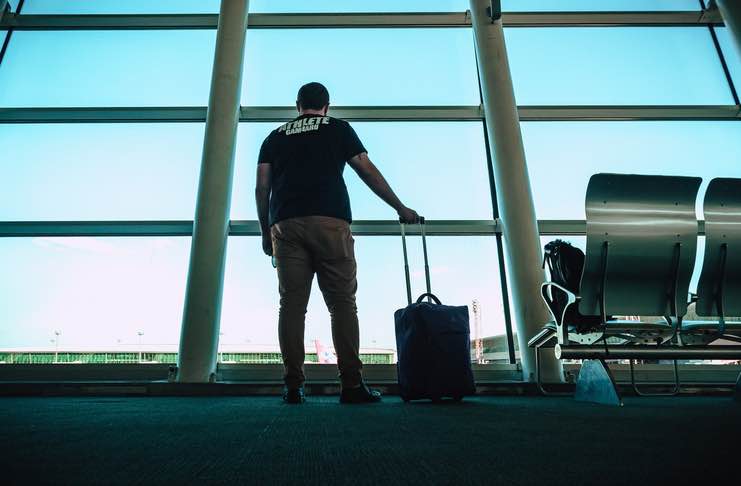
Flight disruptions caused by strikes at another airport can still affect your journey in unexpected ways. In many cases, passengers may be eligible for cancelled flight compensation depending on the situation, airline responsibility, and applicable regulations. Even if the strike does not happen at your departure airport, it can still lead to cancellations, missed connections, or major schedule changes.
How strikes at another airport affect your flight
A strike at a different airport can still disrupt your travel because airlines operate on connected networks.
This may result in:
- Aircraft not arriving on time
- Crew shortages
- Air traffic congestion
- Rerouted flight schedules
- Last-minute cancellations
Even if your airline is not directly involved in the strike, operations may still be affected due to system-wide delays.
Passengers are often surprised when their flight is cancelled due to events happening elsewhere in the aviation network.
Are you eligible for compensation?
Eligibility depends on the reason for cancellation and applicable passenger rights laws.
Under EU261 and UK261 passenger rights regulations, passengers may be entitled to compensation if:
- The flight is cancelled without sufficient notice
- The airline is responsible for the disruption
- No extraordinary circumstances apply
However, strikes involving airport staff, air traffic control, or external airport operations may be classified as extraordinary circumstances, which can limit compensation rights.
For UK passengers, similar protections apply under UK 261 regulations, which follow the same structure as EU rules for most flights.
Compensation amounts you may receive
If your claim is eligible, compensation is usually fixed based on flight distance, not ticket price.
- Flights up to 1,500 km – £220/€250
- Flights 1,500 to 3,500 km – £350/€400
- Flights over 3,500 km – £520/€600
These amounts remain the same regardless of airline, class, or ticket cost.
Passengers should always check the flight distance to understand the potential compensation value.
What you should do after a cancellation
If your flight is cancelled, take immediate steps to protect your rights:
- Keep your boarding pass and booking confirmation
- Save all airline emails and messages
- Ask for the official cancellation reason
- Check if alternative flights are offered
- Note down all delays or waiting times
These documents are important when filing a compensation request later.
The more evidence you keep, the stronger your claim becomes.
Understanding passenger rights rules
Passenger rights laws exist to protect travellers during disruptions.
Key points include:
- Airlines must inform passengers of cancellations early
- Compensation depends on notice time and responsibility
- Assistance, such as meals or accommodation, may be required
- Not all strikes qualify as extraordinary circumstances
These rules ensure fair treatment and financial protection for passengers during unexpected travel problems.
Why Skycop makes the process easier
Claiming compensation directly from airlines can be difficult and time-consuming.
Skycop helps passengers by:
- Checking eligibility automatically
- Handling communication with airlines
- Managing legal procedures
- Reducing paperwork and confusion
This makes the process simpler for travellers who are unfamiliar with compensation rules.
It also helps avoid delays caused by incorrect claim submissions.
Conclusion
Flight cancellations caused by strikes at another airport can still impact passengers significantly. In many cases, compensation may be available depending on the situation and legal conditions.
Understanding your rights, keeping proper documents, and knowing how compensation rules work can help you respond better to unexpected travel disruptions.
Clear awareness of passenger rights ensures you are better prepared when travel plans do not go as expected.