
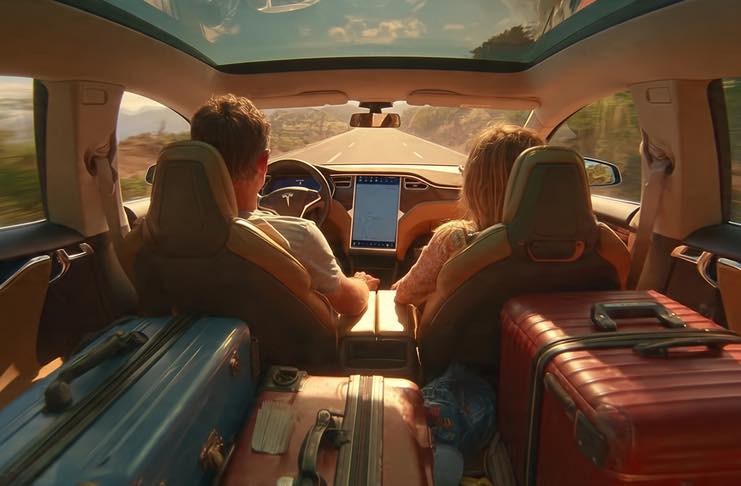
We’ve been there before…gliding down a scenic coastal highway in a Tesla, Autopilot engaged, waves crashing on one side and mountains on the other. Your vacation road trip feels effortless — the car handles the steering, speed, and lane-keeping, and you glance at your phone or admire the view. It sounds dreamy, but that dreamy scene hides real risk. Tesla’s Autopilot is powerful, but it’s not perfect — and on a long road trip, overreliance on it can lead to dangerous moments. Even on vacation, the driver must stay alert.
Recently, a Florida jury found Tesla 33% responsible for a fatal crash involving Autopilot, awarding $243 million in damages. Tesla has filed to appeal the verdict. Whether Tesla is liable depends on proving that the system underperformed or misled, and legally, consumers often hire lawyers to prove liability in a Tesla Autopilot crash case to make their claim.
“Tesla Autopilot can make your road trip smoother — but it doesn’t come with a free pass to relax completely.”
As someone who’s driven hundreds of miles in an EV across some of the country’s most beautiful routes, I’ve seen how Autopilot can feel like magic — until things go sideways. As part of our road trip blog section, here’s what you need to know before you let your Tesla take the wheel on your next adventure.
What Is Tesla Autopilot — and What It Actually Does
Tesla Autopilot is a Level 2 driver-assist system: it can control steering, acceleration, and braking under certain conditions, but you’re still the pilot. It is not fully self-driving.
It works well on highways with clear lane markings and predictable environments, but it has limits: tight turns, cross-traffic, or sudden obstacles may confuse it, and it expects the driver to remain ready to take over. Read more about it on US News.
Remember: “Autopilot is an assistant — not a replacement: your hands and attention still matter.”
My Experience: On a long drive upstate, I used Autopilot for long highway stretches. It was smooth and relaxing — until a construction zone came up unexpectedly. The car signaled me to take control, but if I had dozed off or was daydreaming, that moment could’ve gone differently.
Watch this video to learn more about Tesla’s autopilot:
Common Risks When Using Autopilot on Road Trips
Even on a scenic, low-stress vacation trip, using Autopilot brings risk because the system can misinterpret road conditions, and overconfidence can dull your reaction time.
Here are some of the most common risks:
- Driver Overreliance: On long drives, it’s tempting to lean on Autopilot too much. That delay in human reaction can be dangerous.
- Unfamiliar Terrain: Curvy roads, rural backroads, or poorly marked lanes may trip up the system.
- Environmental Hazards: Wildlife, construction, bad weather — these are harder for Autopilot to navigate.
- System Limitations: Autopilot sometimes struggles at intersections, especially T-junctions or when stopping is required.
- Driver Engagement Issues: Despite warnings, some drivers take their hands off the wheel or stop paying attention.
Statistic: Tesla’s Autopilot system has been linked to at least 467 collisions, including 13 fatal crashes, due to “critical safety gaps” in driver engagement.
Watch this video to learn more:
My Experience: I joined a weekend EV meet where several Tesla owners shared their “scary Autopilot moments.” One owner admitted they had to grab the wheel when the car failed to detect a slow-moving vehicle ahead — a reminder that even experienced users can be caught off guard.
Who Is Liable for a Crash Caused by Tesla’s Autopilot?
Liability in an Autopilot crash is often shared between the driver, who was expected to supervise, and Tesla, particularly if the system misled the user or failed to warn them properly.
My Experience: In talking to automotive lawyers for another story, I learned that these cases hinge on data logs — steering torque, braking events, and Autopilot engagement times. That’s not the sort of thing you eyeball; it requires serious forensic work.
Tips for Using Autopilot Safely on a Road Trip
To make your road trip safer, treat Autopilot like a co-pilot, not a chauffeur, and follow key safeguards.
Here’s a practical checklist:
- Stay Engaged: Keep your hands on the wheel, eyes on the road, even when Autopilot is active.
- Know Your Route: Use Autopilot on clearly marked highways, but disengage in unfamiliar or complex terrain.
- Avoid in Bad Conditions: Weather, construction, or poor visibility are not Autopilot’s best friends.
- Take Breaks: Even though Autopilot can reduce fatigue, don’t skip regular breaks.
- Keep Software Updated: Tesla releases safety updates — make sure you’re running the latest version.
- Prepare to Take Control: Be ready for prompt disengagement — always have your hands ready.
Remember: “Autopilot works best when you’re still the pilot — not the back-seat driver.”
My Experience: On a week-long drive through the Rockies, I set Autopilot for long stretches and periodically took over in twisty passes. It made the trip more relaxing, but staying alert meant I could confidently handle sudden decelerations or erratic traffic.
Final Thoughts: Should You Use Autopilot on Vacation?
Tesla’s Autopilot can transform a long road trip, turning tiring highway miles into a smoother, more relaxed ride. But it’s not a “set it and forget it” autopilot for your brain. The hidden risks — from overconfidence to system limitations — demand respect, not dismissal.
If you’re planning a vacation drive in a Tesla, use Autopilot wisely: stay alert, pick your routes carefully, and always be ready to take over. And if the worst happens, know that liability can be complex — you may need a lawyer’s help to prove liability in a Tesla Autopilot crash case.
Driving with Autopilot isn’t cheating the road — it’s collaborating with it. Stay sharp, be safe, and let the machine assist — not override — your journey.
Leave a Reply